First Up Day After Longest Consecutive Down Days - Bullish Turn Signal
Observing the first up day after the longest consecutive down days in a stock can serve as a powerful early warning for traders looking to spot a potential bullish reversal. When a stock endures an extended series of declines, sellers dominate and investor sentiment usually turns highly negative. The day that pattern breaks—when the stock posts its first gain—often marks a pivotal shift in momentum, attracting fresh interest from technical traders and value seekers.
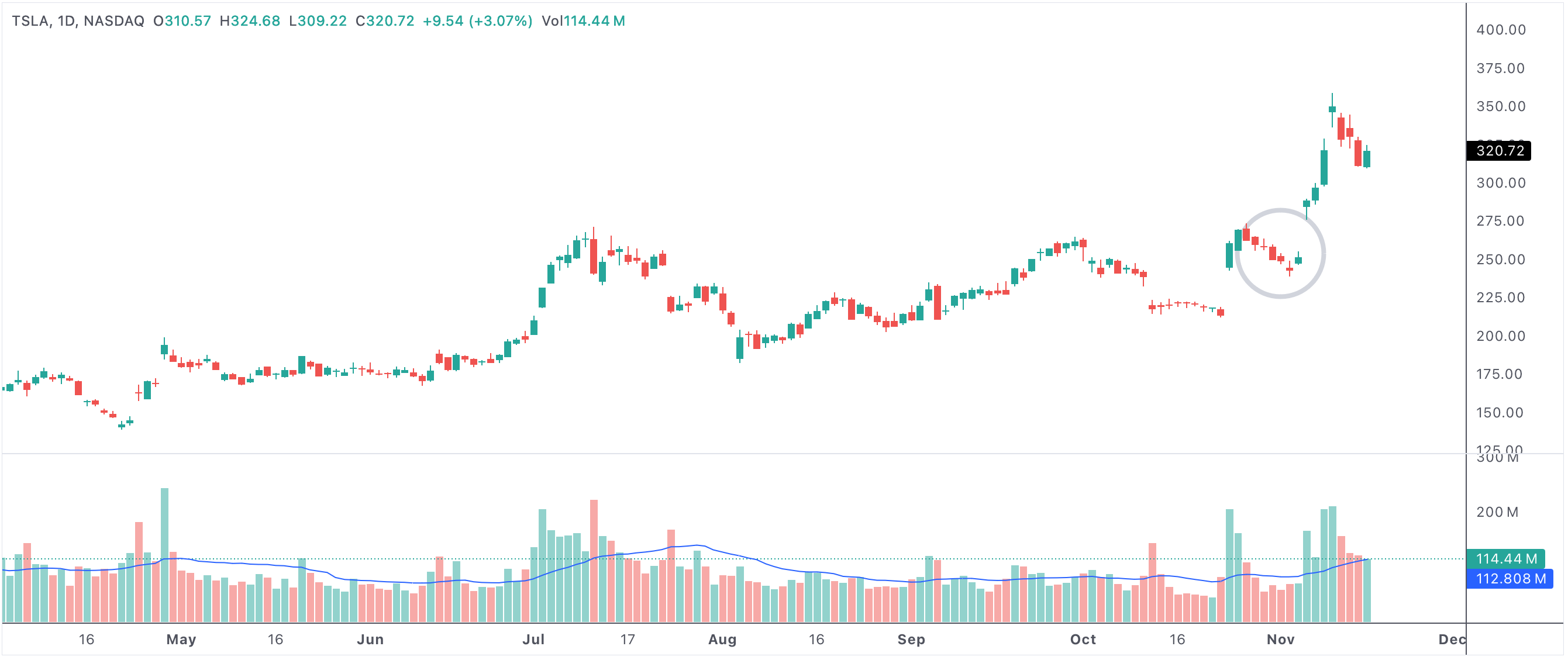
firstupday
A visual example of a stock experiencing its first up day after a long losing streak.
First up day after longest consecutive down days
Why Is the First Up Day So Significant?
After a sustained drop, stocks can become oversold and investors often expect continued weakness. However, when a stock finally posts a green day after many consecutive red days, it is frequently the first sign that selling pressure is waning. This can indicate that the bears are running out of steam, short sellers may start to cover, and value investors begin to take notice. The resulting shift in momentum can create a bullish inflection point, especially if the volume on the up day is above average.
Psychological and Technical Importance
A long series of down days weighs on investor psychology. Many traders give up hope for a rebound, which means that when a positive day finally arrives, it can have an outsized psychological impact. This up day often becomes a beacon for market participants who have been waiting on the sidelines, looking for an early signal of change. Technically, such a pattern can also trigger automated buying by trading algorithms or strategies that focus on mean reversion or oversold signals.
- First up day after consecutive declines may signal the exhaustion of sellers.
- This reversal can act as a psychological relief point for investors and traders alike.
- Volume spikes on the up day may suggest institutional or technical buying interest.
- Breaks in a persistent downtrend often invite short covering, which can further fuel upward moves.
- Technical traders look for this signal as a possible start of a momentum shift or trend change.
Using the Pattern in Trading Strategies
Many traders incorporate the "first up day after the longest down streak" into their trading plans as a bullish setup. Confirmation is often sought through additional indicators, such as relative strength index (RSI) climbing out of oversold territory, bullish candlestick patterns, or moving averages showing early signs of turning upward. Some traders wait for a second up day or a break above short-term resistance for more confirmation before entering a trade.
This signal can also provide attractive entry points for short-term swing trades or even longer-term investments, depending on broader market conditions and the stock's fundamentals. Because the move can be sharp, traders often use tight stop losses below the recent lows to manage risk.
Ideal Conditions and Limitations
The bullish potential of this pattern increases when the stock is fundamentally sound or when there is supportive news from the sector or broader market. However, it's important to note that not every first up day after a long decline results in a lasting trend change; some are simply short-lived bounces or "dead cat" rallies. Monitoring volume, price action, and follow-through on subsequent days helps traders distinguish between true reversals and temporary relief rallies.
Summary: Bullish Implications and Opportunity
In summary, the first up day after the longest consecutive down days is a classic technical signal of a possible trend reversal. It represents the first break in bearish control and can mark the start of a shift in momentum. For attentive traders and investors, recognizing this inflection point can provide a timely opportunity to participate in a rebound, especially when supported by strong volume or additional bullish signals. While not every setup leads to a major rally, the pattern remains a valuable tool for spotting early bullish momentum and changes in market sentiment.